
Practical guide

Why it's hard to find a lost pet

Searching for a lost pet is one of the most emotionally difficult moments for a family. Even in familiar surroundings, fear, terrain and elapsed time make recovery harder – the animal may travel much further than you expect. This guide explains why traditional searches often fail – and what to do in the first hours.

Why the first hours decide everything

Statistically, most lost pets remain within a relatively small radius during the first 24 hours – but only if the search starts quickly, systematically and without noise that drives the animal to hide even deeper.

The problem is rarely that "no one is searching" – people often search intensely but in the wrong way: too loudly, in too narrow an area, or too late, when the animal has already moved to another neighbourhood or forest patch.

Understanding these four main barriers – fear, terrain, urban risks and search radius expansion – helps you plan the search more effectively and consider aerial help in time.

Four main barriers

Each factor alone can slow the search. Together they explain why a lost pet is often "right here" – yet you cannot see them.

Fear and hiding

Frightened animals often hide silently and do not respond to calls – even when the search passes within dozens of metres.

A stressed animal enters "survival mode": suppresses reactions, chooses dark enclosed spaces and avoids moving during daylight. This is especially common in cats, smaller dogs and pets that rarely go outdoors.

Loud shouting, large groups of people or an aggressive search pace often make things worse – the animal hides deeper or moves on once the noise subsides.

Practical tip: Search quietly and systematically: check under cars, terraces, basements, garages and building cavities. It is better to pass the same spot twice than to miss a hiding place.


Difficult terrain

Dense forest, tall grass, ditches and undeveloped land limit visibility and slow down ground coverage on foot.

One hectare of dense scrub or a construction site can take an hour to cover on foot – during which the animal may move elsewhere or remain unseen behind an obstacle.

Terrain also changes movement direction: in woodland animals often follow paths, water bodies and sheltered zones rather than a straight line from the last seen location.

Practical tip: Start from the last seen location and expand the radius according to terrain. If the area is large or dense – thermal aerial search can cover in minutes what would take hours on foot.

Urban hazards

Traffic, noise and unfamiliar people push pets further from home and the last known location.

In urban areas fear often drives animals away within minutes – they may cross several blocks while the family is still gathering volunteers. Every extra hour increases the risk of disorientation or entering a dangerous zone.

Notices and spreading information matter even before a wide physical sweep – neighbours, veterinary clinics and local groups are often the first to spot a found animal.

Practical tip: Inform neighbours and nearby clinics. On the street avoid shouting the pet's name loudly – prefer a quiet, systematic sweep and sharing on social media with a clear photo and contact details.

Search radius expansion

Every hour that passes increases the chance the animal has wandered further – the search area must be planned strategically, not just by walking around.

The first 24 hours usually determine whether the search stays local or must cover a wider region. Breed, temperament, weather and time of day directly affect how far the animal can travel.

Without fixed data – last location, time, direction, behaviour – it is easy to search in the wrong area and lose critical hours.

Practical tip: Write down the last seen location, time and likely direction of movement. If several hours have passed or terrain is complex, consider professional aerial search without delay.

First hours: action plan

A structured plan helps you avoid losing time and emotional energy when pressure is highest.

  1. 1

    Record the facts

    Note the last seen location, time, pet behaviour, appearance, collar, microchip and contacts. This helps both you and helpers.

  2. 2

    Spread the word

    Notify neighbours, veterinary clinics and social media. Use the free lost pet poster generator – photo and phone number must be clear.

    Lost pet poster generator
  3. 3

    Quietly search the nearest radius

    Start within 100–300 m of the last location. Check hiding spots: under cars, bushes, building cavities, basements and garages.

  4. 4

    Consider aerial help

    If terrain is dense, several hours have passed or the area is too large on foot – a drone with thermal imaging can quickly cover the territory and provide coordinates for follow-up ground search.

    How DRONO.LT helps

When aerial search is worth it

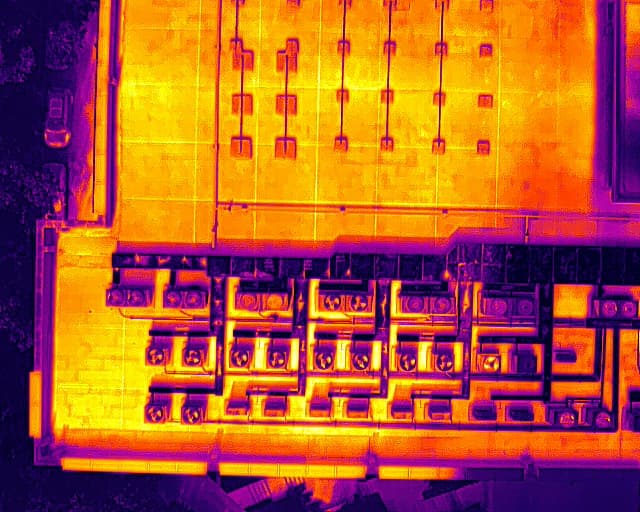
Drone search is especially effective when ground visibility is limited – dense forest, tall meadow, construction sites, water bodies or large green areas. Thermal imaging detects heat anomalies even in darkness when the animal hides in bushes or under structures.

DRONO.LT combines thermal scanning, GPS marking and coordination with the family or volunteers on the ground – so the search becomes structured, not chaotic. You can get an initial consultation by phone – we respond to urgent cases within 1–2 hours in the region.

Learn about drone search
Thermal drone view – search in difficult terrain

Useful resources

Additional steps that help coordinate the search and inform the community.

Need help with the search?

Call us – we respond to urgent cases within 1–2 hours in the Vilnius region and across Lithuania.

+370 621 10999
Why it's hard to find a lost pet | Practical guide | DRONO.LT